
Dear Ramah in the Rockies Community,
We awoke to a quieter ranch. The birds began their songs as usual around 5:15 am, but there were no sounds of children playing ping pong and no small footsteps running up and down our gravel paths. Our first session chalutzim (campers) are home, and our second session ones are yet to arrive. The ohalim (tents) have been scrubbed. The Chadar Ochel (dining hall) has been cleaned and reset. Madrichim (counselors) are in meetings preparing to welcome more than 200 new chalutzim tomorrow morning for the second session.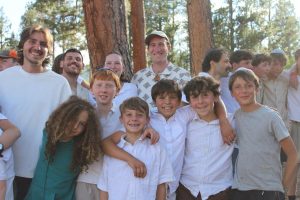
At the midpoint of each kayitz (summer), we stop not only to clean our camp but also to reflect on the experience so far and prepare for those who have yet to arrive. Camp is made up of thousands of conversations, programs, hikes, meals, and experiences. Every person who comes to our chava (ranch) leaves with their own memories and stories. Alas, most of you reading this email were not here for Session 1 so I want to share a few vignettes that capture the spirit of Ramah in the Rockies during our first session of 2026.
Mercaz Pashman
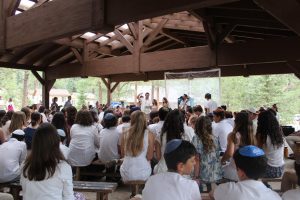
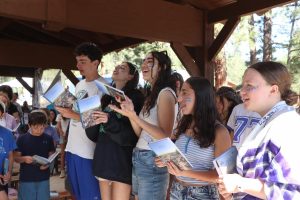
This summer we opened our second covered pavilion, Mercaz Pashman. Standing on the site of our former Ohel Moed, this timber frame structure has become one of our favorite places in camp. Its open-sided, airy design makes for vibrant acoustics. This past Shabbat, all our Rashai Shira (Heads of Singing) from the past ten years were present. Having arranged the benches in the Mercaz (as it has become known) in circles with the leaders in the center, they led our community in a rousing Shira b’Ramah Shabbat service. This service, based on communal singing and repeating harmonies, invites all the worshippers to use their voices in prayer. Song ricocheted off the rafters, the sound filling the space. At times, people wrapped their arms around one another swaying, and other timest they jumped up and danced. Some closed their eyes in meditation, others wiped away tears. All realized just how special this morning tefillah was and how this space has transformed our community.
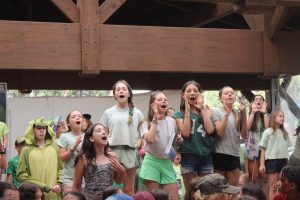
When not being used for prayers, Mercaz Pashman has served as a gathering spot for our Bogrim Edah (8th/9th graders) where they have held daily educational programs. Mercaz Pashman was gifted to us by two grandparents who looked beyond the experiences of their own grandchildren and imagined something much larger. Their generosity created a place where tens of thousands of children—most of whom they will never meet—will gather as one community for decades to come. Few gifts create a legacy quite like that. Mercaz Pashman has already become an integral part of camp life, providing a beautiful home for community gatherings, prayer, and programming.
The Drought and Heat
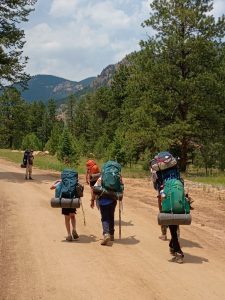
If there was one defining feature of Session 1, it was the heat and the historic drought here in Colorado. Our chava is browner than it has been in years. Chalutzim crossed a dry creek bed on their way to the Chadar Ochel, and Wigwam Creek is lower than I can ever remember. The heat shaped almost every masa (backcountry excursion) we ran. For months we planned routes as part of our effort to expand our masa program hoping that no chalutz/a repeats a trail two years in a row. Unfortunately, because of the heat, smoke, and lack of water this season, we changed masa’ot at the last minute. We were able to send trail runners to check for water on some routes before chalutzim departed, and told others to find a water source, set up a basecamp near it, and hike the trails in that area.
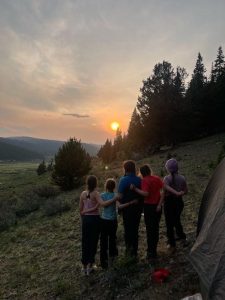
We reminded trip leaders that the purpose of masa is not to finish the route but the personal, spiritual and group development that happens along the way. Upon their return, I heard stories of groups that awoke for sunrise hikes so that they could be back at their site before the heat of the day. We had a climbing trip that ascended a rock face with headlamps at night and many who had more time at their campsite for Jewish and outdoor programming because the routes were shorter.
Tzevet
On Monday, a tzevet (staff) member, who is a recent college graduate, and grew up at camp, hugged me as he was leaving the chava and said “Rabbi Eliav, this has been the best summer of my life.” There is something deeper in the experience we enable for the 20-somethings who are the backbone of this community. Each summer, we hire close to 200 college-age and young adult madrichim (counselors) for 4-9 weeks and ask them to become Jewish educators, outdoor leaders, caregivers, and mentors for hundreds of younger children. They must do each of these things multiple times a day with too little sleep and not enough time. And yet, somehow, summer after summer tzevet are transformed by these leadership experiences.
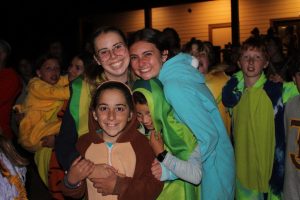
Last Saturday night I witnessed a first year madricha put her arm around an 8 year old camper who was upset. After walking a few steps with her to the bottom of our trail to the ohalim (tents) she said to the camper, “do you want to hang out here away from everyone for a little bit? It is OK to be sad.” In this moment, this first year madricha was able to put herself into the shoes of this upset 8 year old, acknowledge her feelings, and offer her needed support.
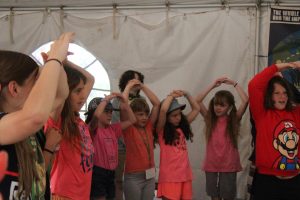
I witnessed two madrichim lead Metaylim (5/6th graders) in one of the more creative tefillot (prayers) of the session. They split the edah (age group) into groups and then asked each to develop a dance for each prayer. They all came back together to perform their dances while singing the prayers.
I watched a veteran trip leader leading our Ilanot (3/4th graders) masa sit with the chalutzim convincing one of them who said “I can not go on any further” to put back on his backpack and put one foot in front of the other. These campers were hiking less than a mile in total, but after a long uphill the distance seemed impossible. The madrich was able to motivate all the children to continue their trek up the trail arriving at their site less than 30 minutes later.
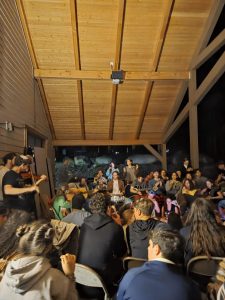
Our tzevet not only stepped up and led, but also had a chance to deepen their connections to each other. On the final Saturday night of the session, I walked to the back patio of our Chadar Ochel where 100+ tzevet and JOLI chalutzim were singing under the dim glow of LED lights in a fireless campfire. With over six musicians leading the group they sang and swayed with an electrifying fervor. I stood there, closed my eyes and felt the rhythms pulsating through me. I looked at the faces, some of whom I have known for years, others of whom I met only a few weeks ago, and reminded myself that THIS is why we do what we do. Even without the warmth of a campfire, these innovators can create a kehillah kedosha, a holy community where strangers can come together, form incredibly tight bonds, focus on a common mission, and create memorable experiences that will remain with us for years to come.
Conclusion
The spirit that chalutzim experience each day does not appear on its own. It comes from the tzevet who pour themselves into this community and into advancing our mission through living out our core values. In a world where philanthropists spend enormous sums trying to keep our teens and twenty-somethings engaged in Jewish life, the leadership opportunities and sense of belonging provided by places like Ramah in the Rockies speaks for itself.
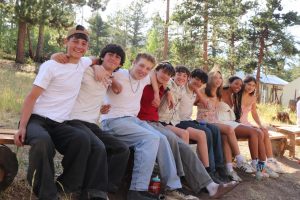
Ramah in the Rockies is both enduring and constantly renewing itself. One group of chalutzim have left carrying memories, friendships, and lessons that will remain with them for a long time. Another group arrives tomorrow filled with anticipation, wondering what adventures await. The stories in this email are only a small glimpse into the thousands of moments that shaped Session I. They remind us that camp is ultimately built through people: the parents who entrust us with their children, the campers who join us each summer, the tzevet who work long hours and the hundreds of donors who believe in our mission, and support our program year after year.
As we turn our attention toward Session II, we do so with immense gratitude and optimism. We are privileged to spend our summers helping young people discover who they are, what they value, and how they can contribute to the world around them. Thank you for entrusting us with that sacred responsibility and for being part of this kehillah kedosha (holy community).