
Dear Ramah in the Rockies Community,
I did not wake to the sounds of children playing ping-pong in Ohel Koby and there was no scampering of small feet on the way to the bathroom. No one yelled “bo-bo-boker tov”. Alas, our ranch has gone quiet. . . Too quiet. . . Kayitz (summer) 2026 has come to an end.
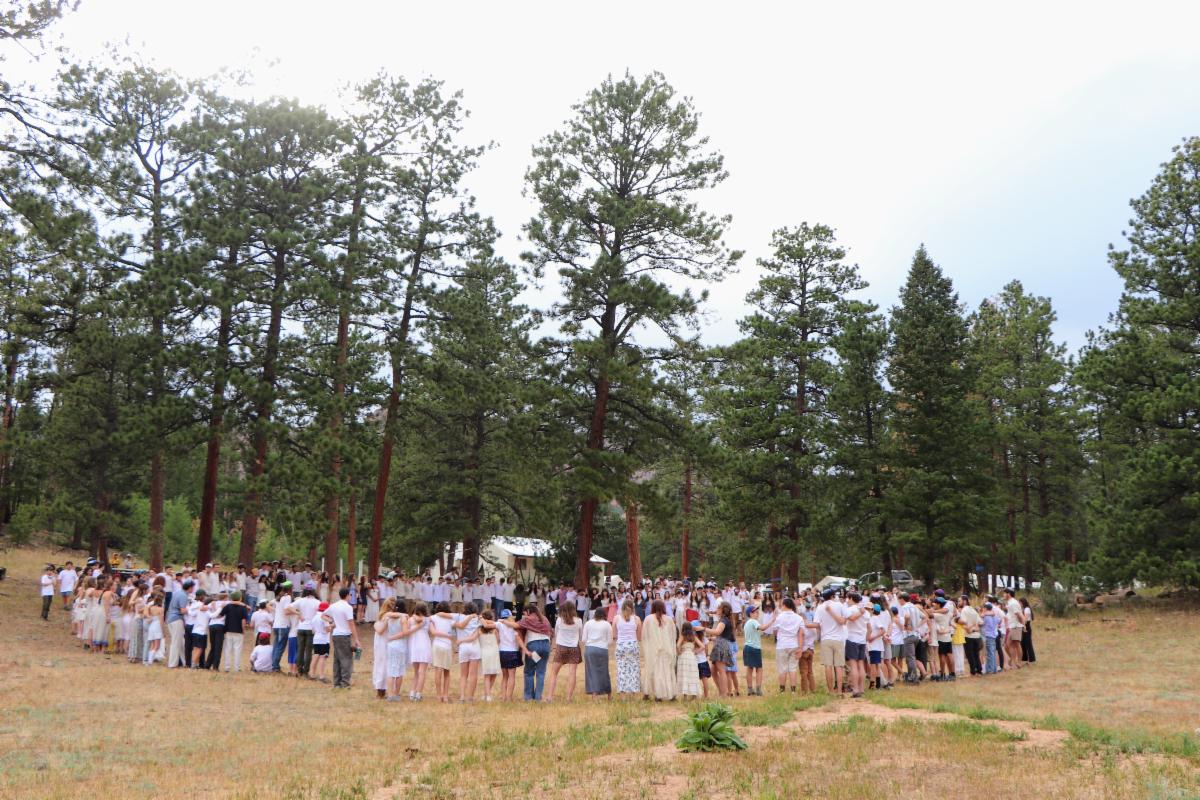
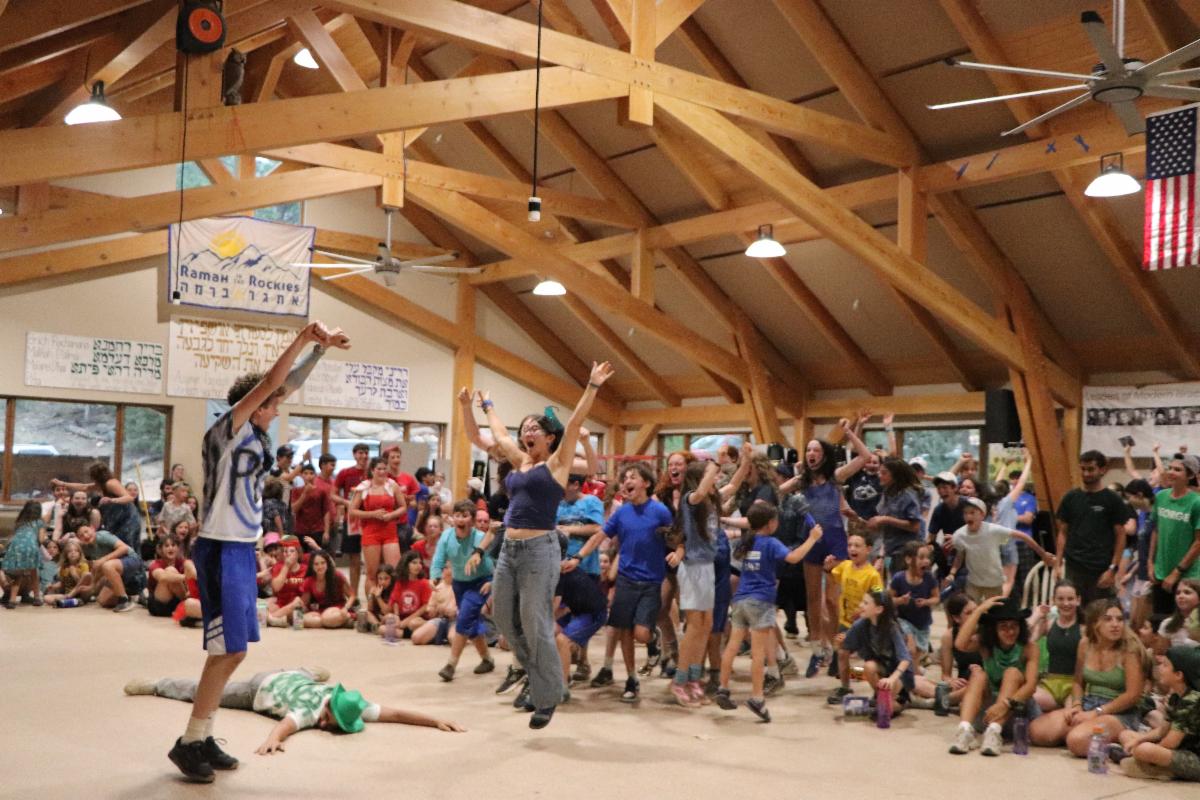
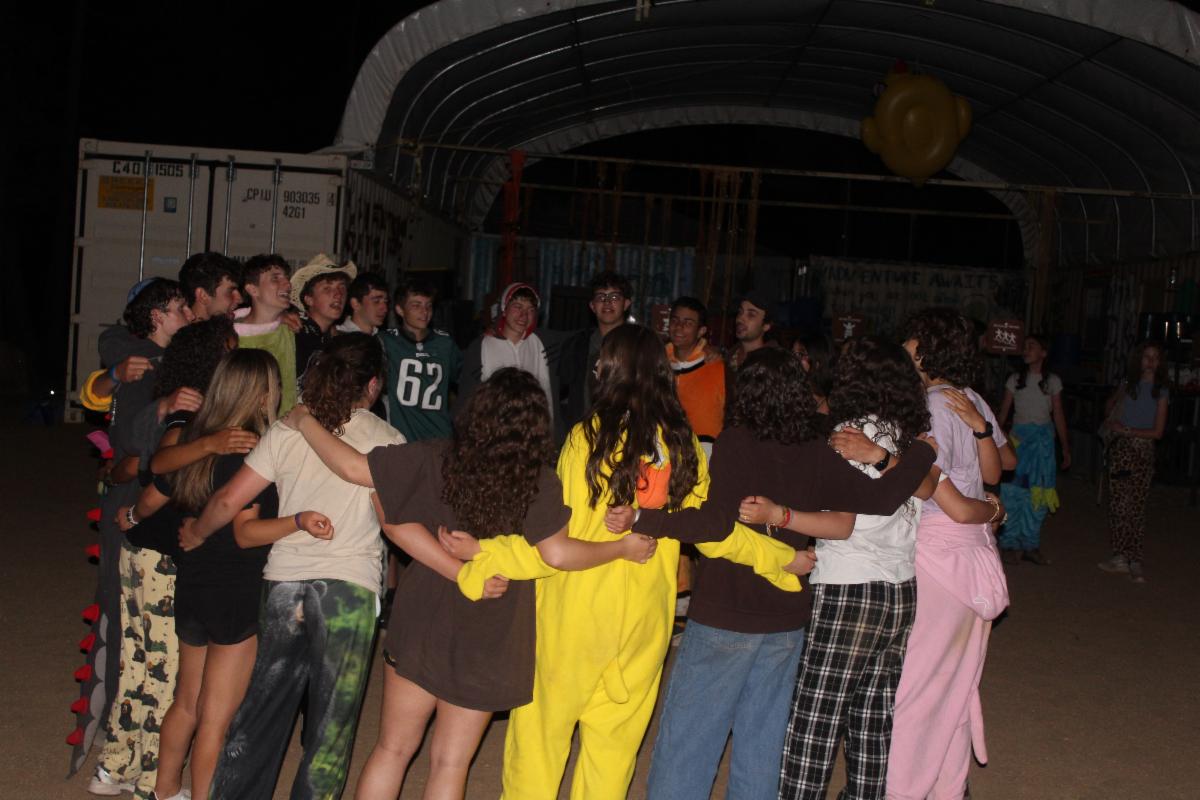 As I reflect on the past 10 weeks on the ranch, I remember those early June days when we wondered what the kayitz would bring. I see the faces of the 470+ chalutzim (campers) and reflect on discussions I had with over 200 tzevet (staff) members. I think about the cows, bulls, and bears who all came through our property. I can hear the sounds of squealing children upon winning color war, the reverberations of voices singing at our shira b’ramah (Shabbat morning) service, and the incredible silence as I sat outside a few times watching the stars under a moonless sky.
As I reenter the “real world” I know that many will ask “so, how was camp?” There is no possible way to answer this since I have been here for over 1600 hours. Some of these hours were spent sleeping, eating, and washing dishes. Some were spent singing and dancing. Others were spent in the midst of intense conversations and sometimes making tough decisions that resulted in asking members of our community to leave our ranch. Camp can never be reduced to trite sentences of “it was good” or “it was fun,” although I am certain that some parents will hear just that from their teenage children. But since most people reading this email will not have spent time with our kehillah kedosha (holy community) this summer, I will offer a few thoughts on specific moments to give a sense of what transpired at Ramah in the Rockies this summer.
Implicit and Explicit Learning
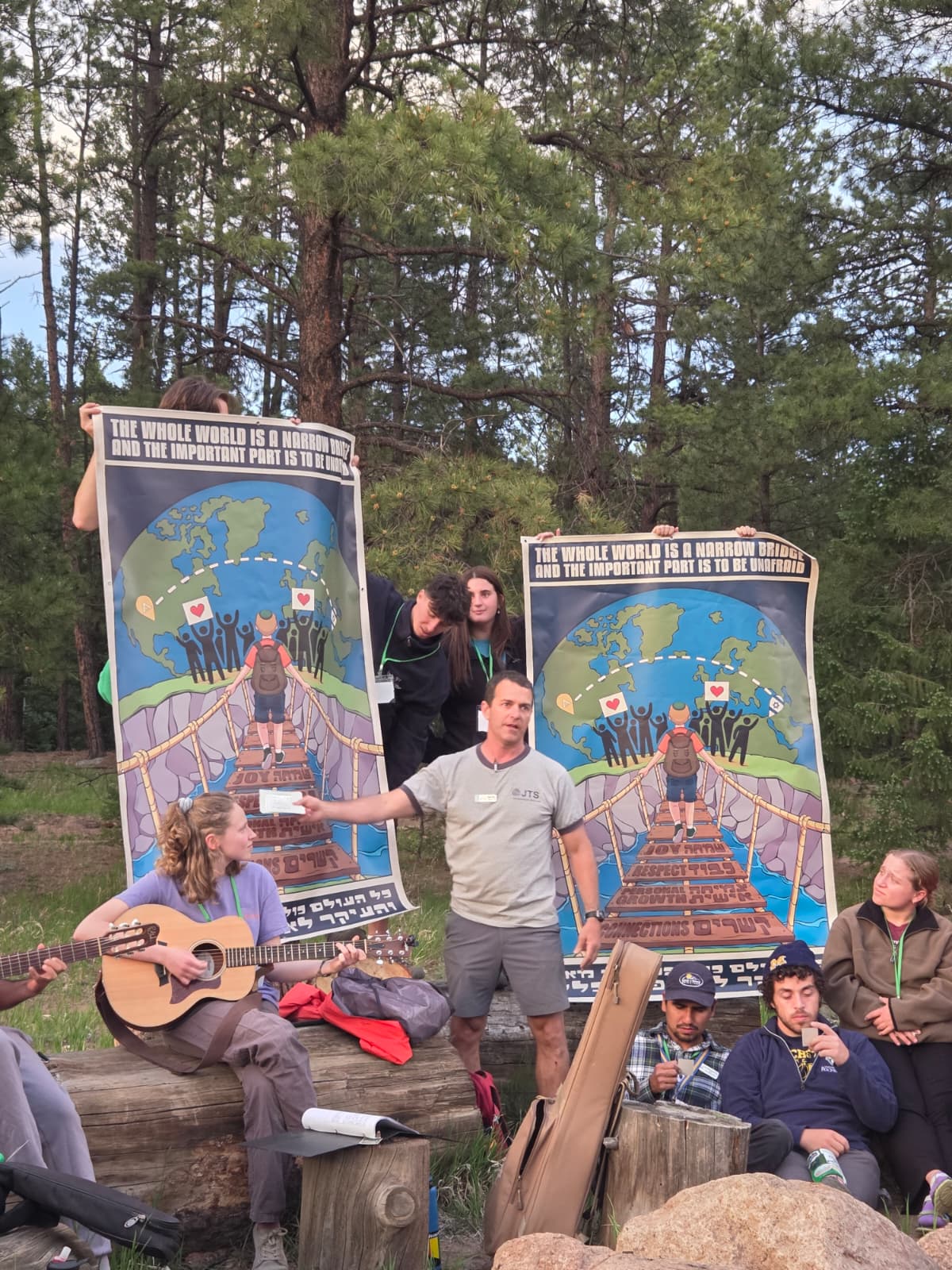
Each year, we pick a theme for the summer based on a biblical verse or rabbinic teaching. This year’s was כל העולם כולו גשר צר מאוד והעיקר לא לפחד כלל – The whole world is a very narrow bridge. We chose this saying (based on a teaching of Rav Nachman of Bratzlav) because we wanted to emphasize that as Jews, we are connected to other Jewish communities throughout the world, especially our siblings in Israel. Throughout the summer our tzevet created programs that related back to this theme, including numerous programs and discussions about our relationship to the people, land, and State of Israel. Our shira (music) team sang a version of this song most Friday nights to gather the community before our campwide pre-shabbat circle. Working with an artist, Abigail Glass, we created a poster to hang in public spaces about this theme and also printed stickers for chalutzim and tzevet to put on their water bottles.
A key to our educational philosophy is practicing both explicit and implicit education. We can explicitly teach about a Jewish idea or value, but to make something stick we also need to infuse our community with the implicit signs and symbols that reinforce the lesson. It is for this reason that we printed stickers and posters of our summer theme and sang songs to ensure that there were many references to it throughout camp.
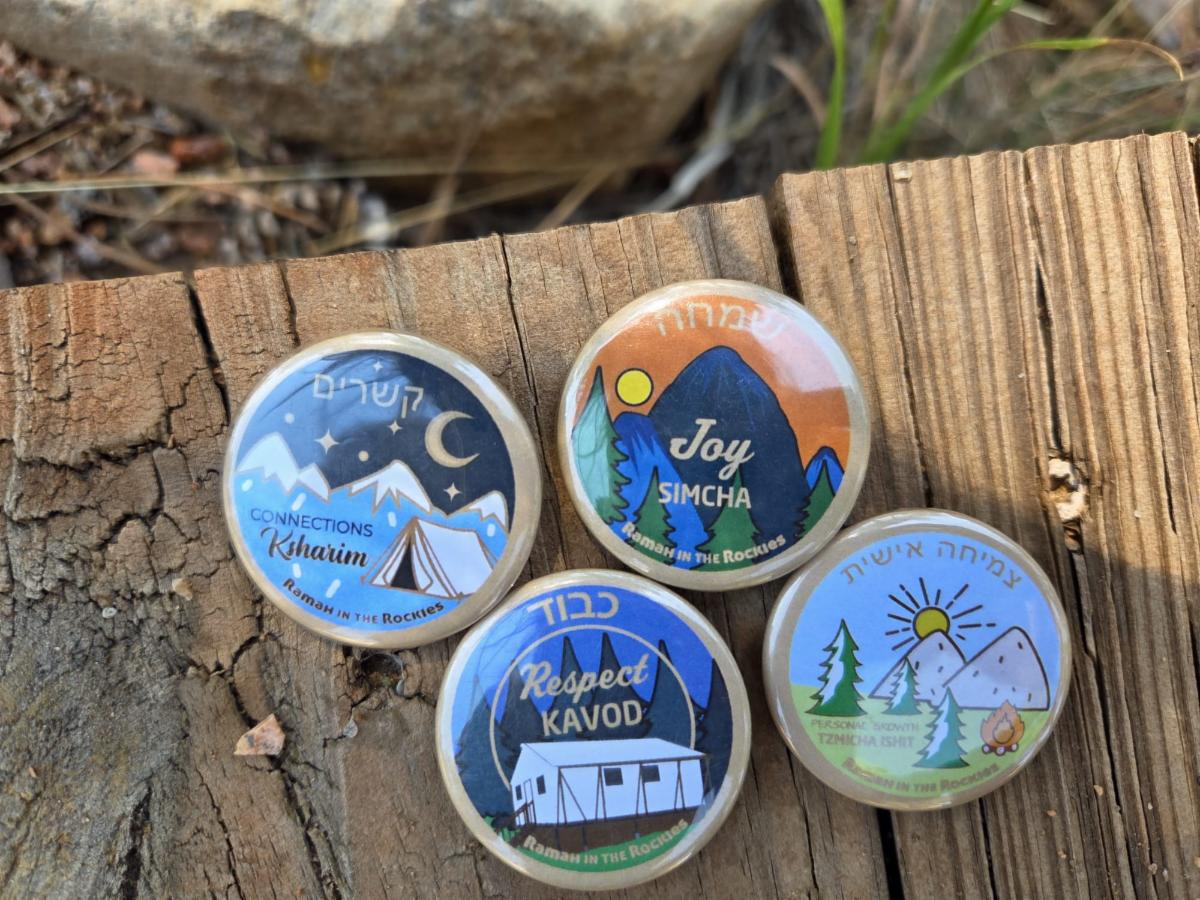 Similarly, one moment I love begins with explicit values education and becomes something more implicit over time. On Friday nights, Martha Lieberman, our Program Director, asks chalutzim (campers) and tzevet (staff) to honor someone in the community with a values pin representing one of our four core values: ksharim (connections), simcha (joy), kavod (respect), and tzmicha ishit (personal growth). In that moment, the education is explicit: we name the value and ask our community to recognize what it looks like in practice.
But the deeper lesson comes through the ritual itself. Week after week, dozens of hands shoot up as Martha holds up a pin and asks us to think of someone who embodied that value. By embedding this practice into our Friday night gathering, we implicitly teach that noticing the good in others, expressing gratitude, and living our values are themselves forms of spiritual practice. Those who earn pins return home with a tangible reminder of our values and hopefully the habit of looking for those values in one another and carrying them into the way we build community.
Caretakers of This Land
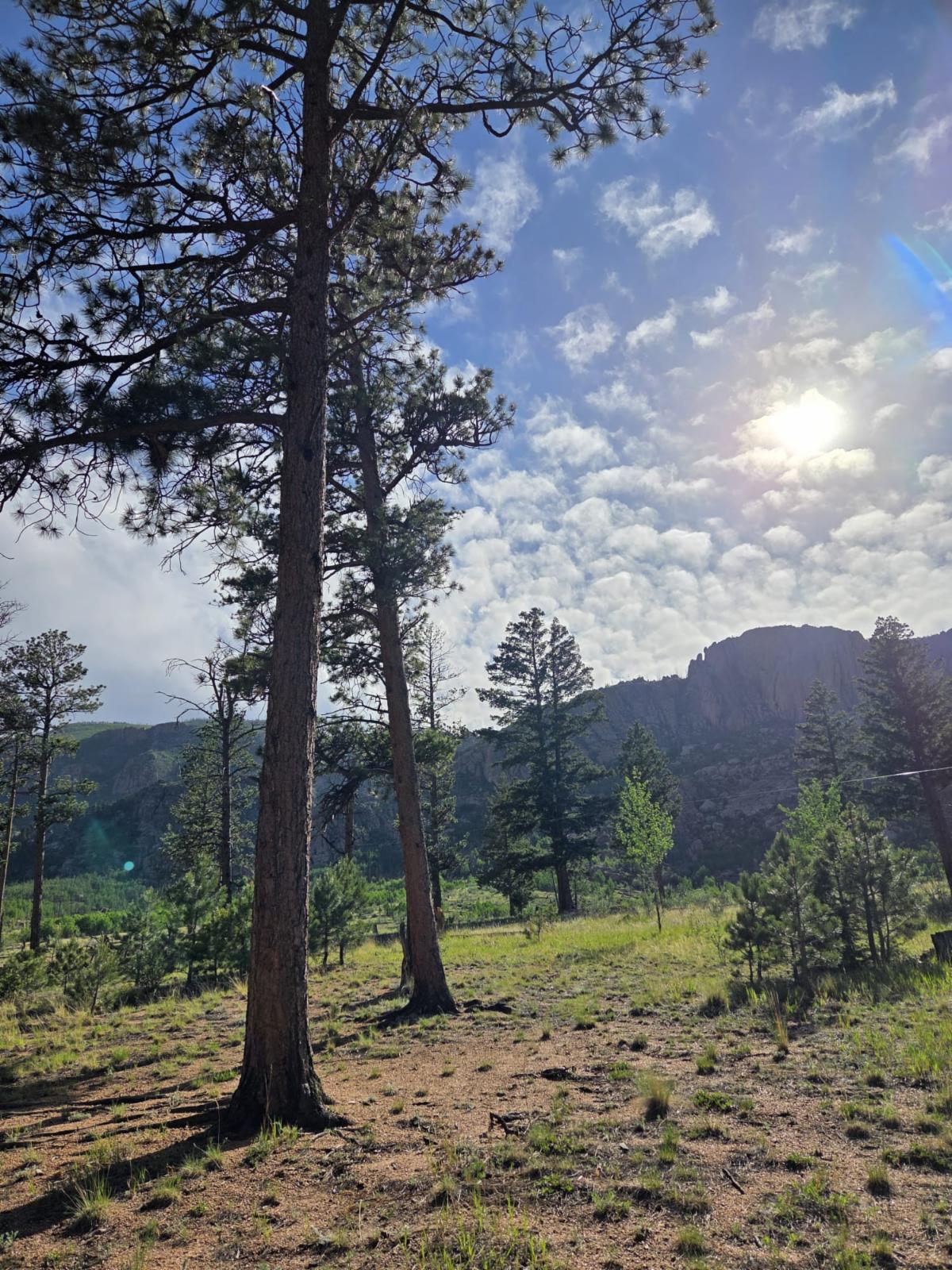
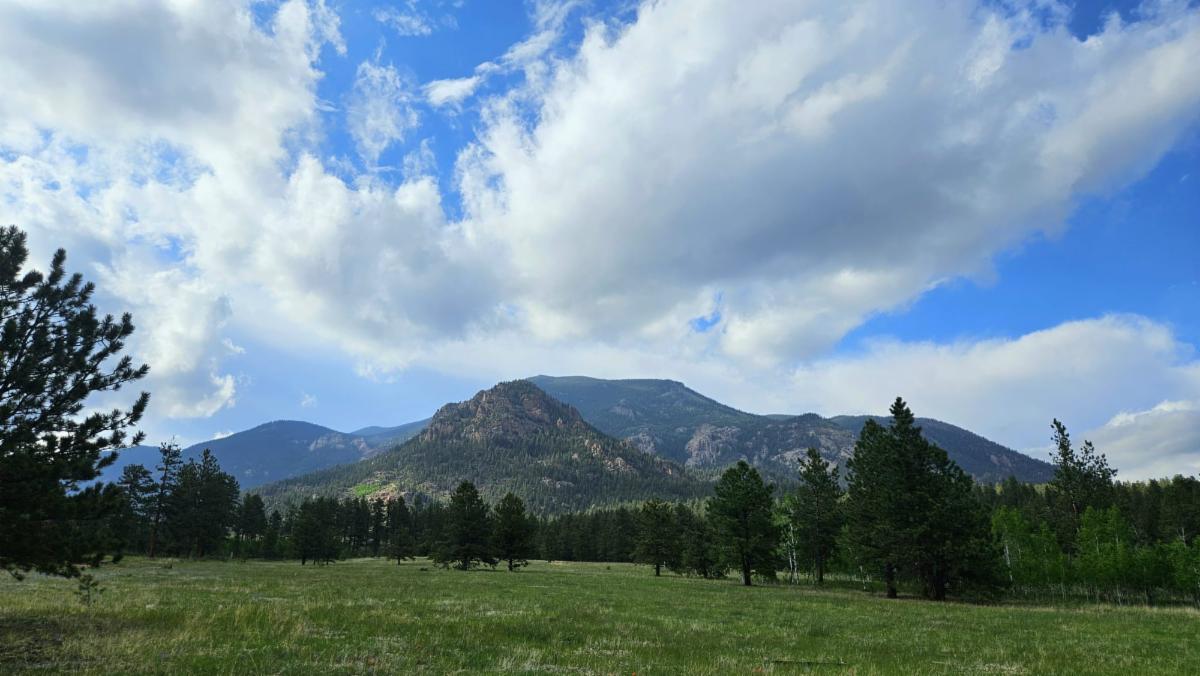
Like most people who arrive on our ranch, I have a sense of awe when walking around our property; the towering mountains, tall pines, and beautiful rocks
 constantly evoke a sense of wonder. Throughout the summer we emphasize to our community that we are only caretakers of this land; it is the animals and trees who inhabit it year-round, and it is our responsibility to care for the land so that they can thrive when we are not here most of the year.
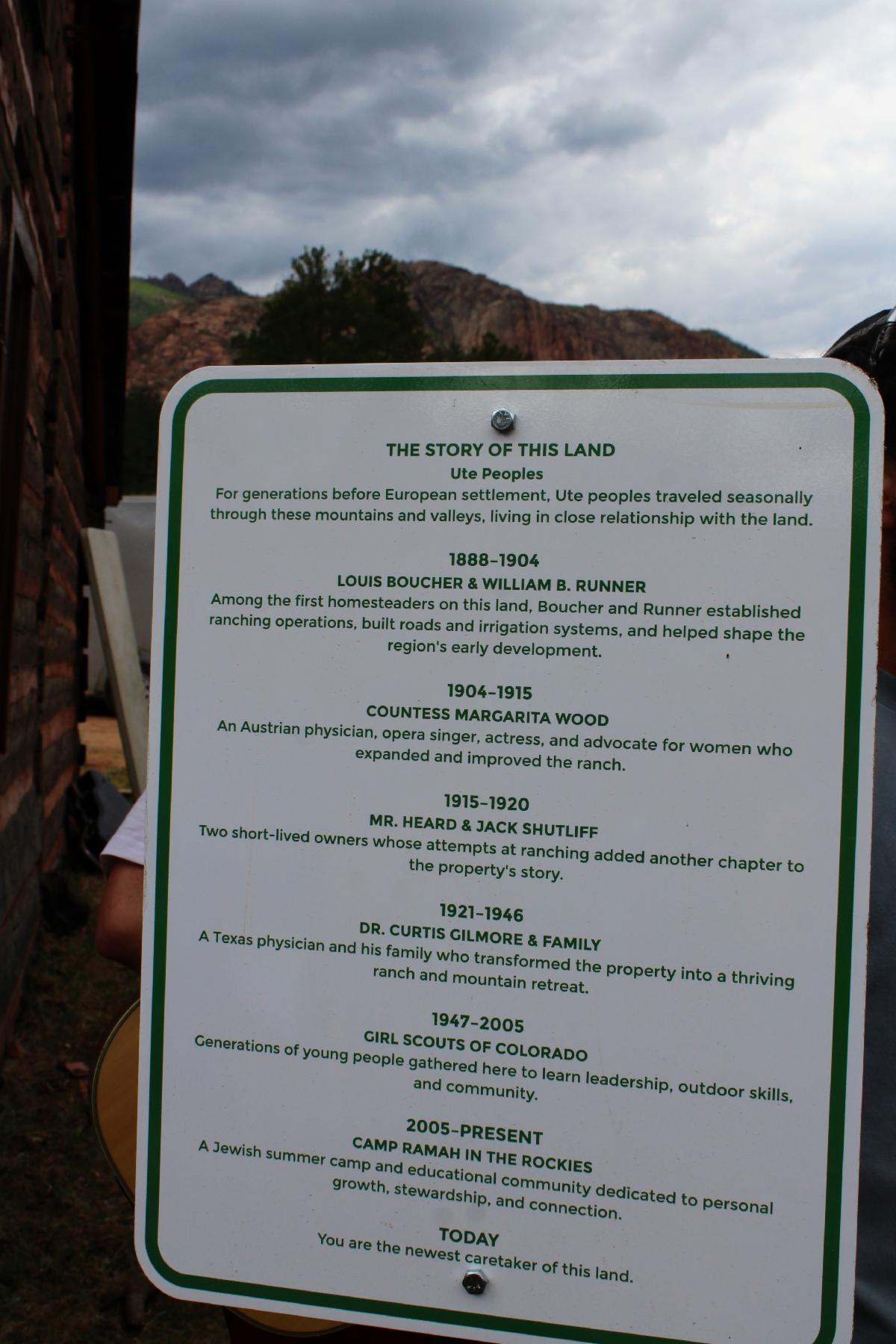
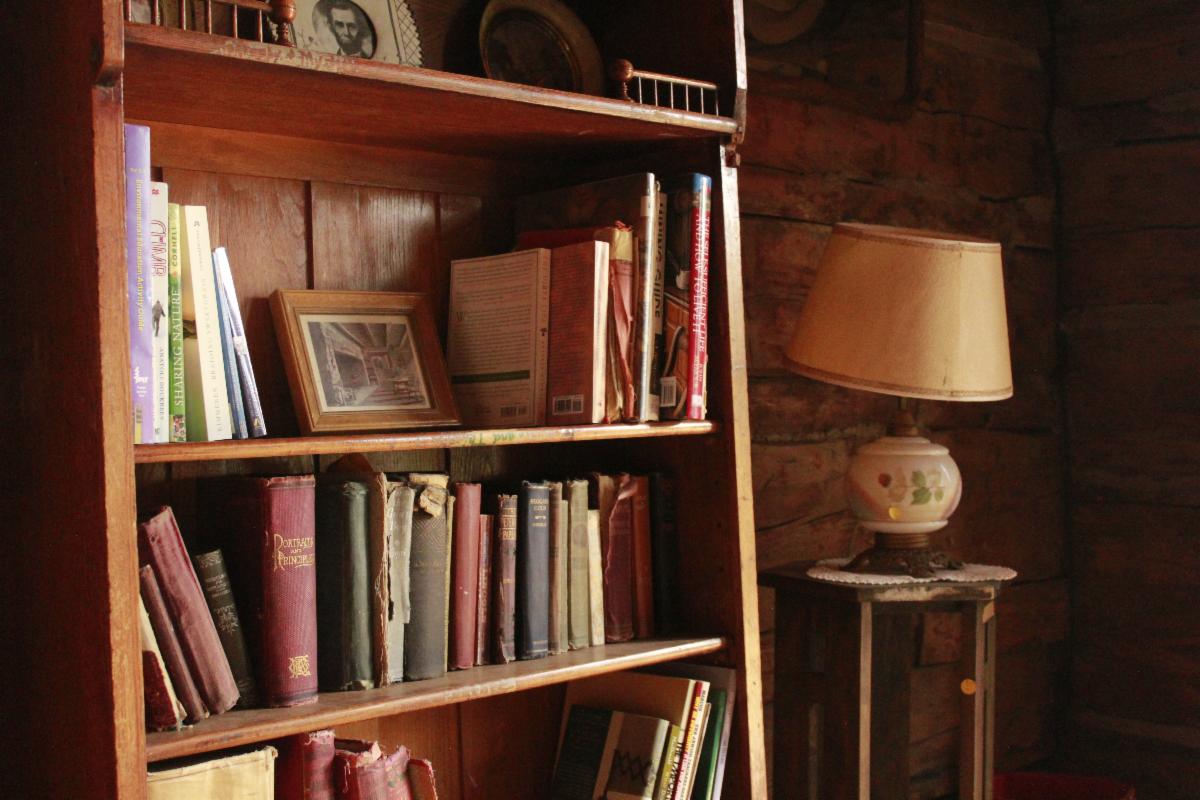
This summer, we began a three year project to honor all who came before us. Prior to becoming Camp Ramah, this ranch was a known as the Flying G Girl Scout Camp, the Wigwam Ranch when owned by the Gilmore Family, the Runner Ranch when owned by other families, and before that the summer residence of the Ute people, who likely were in the area for longer than any of the other aforementioned inhabitants. Under the direction of Benjamin Tiber, our Rosh Omanut (Head of Art), who worked throughout the off-season to research the history of our ranch, we restored the homestead house, an original structure dating to the 1880s, into a beautiful museum. The house is now filled with relics that represent the history of the house, the land, and the people that came before us – including the history of the early Jews of the West. Our hope for the next few seasons is to continue to create exhibits in this house that tell the story of Western Jews, as well as stories about the people who lived on this ranch.
Whether by coincidence or fate, this past winter we received an email from the lead volunteer of the Girl Scouts of Colorado asking whether they could arrange a 50th camp reunion on our ranch to open a time capsule that they created in 1976 to be opened this year. The event took place this past Sunday, 49 years and 364 days after the time capsule was sealed. Over the course of a few hours we welcomed close to 100 former girls scouts, ranging in age from mid-thirties to 89 years old. The women and their families joined us for lunch, toured our rebuilt camp, and visited the restored homestead house.
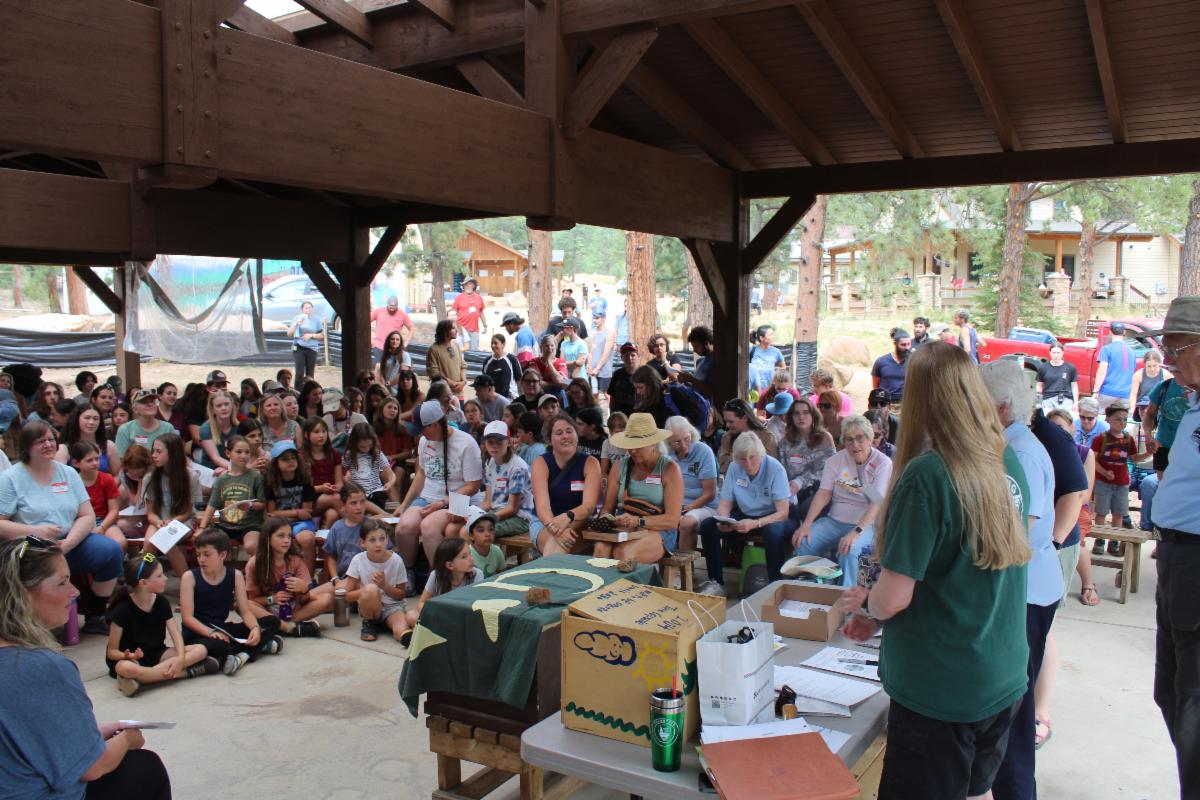 They viewed the exhibit we made about the Girl Scouts that featured a Jewish scout, Amy Shapiro, who was a camper and staff member here in the late 1960s and early 1970s. We then had an hour and a half long program where the “scouts” sang and taught songs from their time at camp, told stories about their days on the ranch, and opened the time capsule. While it was optional for the chalutzim and tzevet to attend, almost everyone chose to be part of this emotional event.
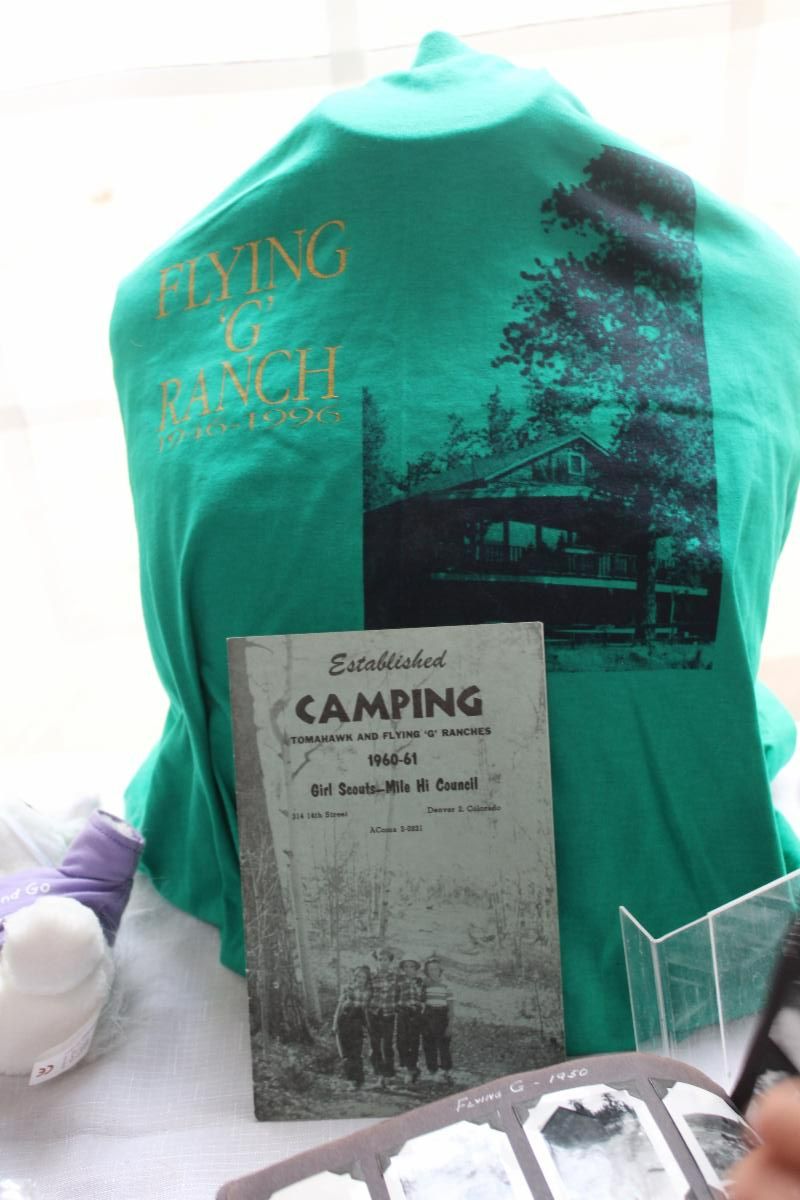
One memorable moment was when Piglet, (they still use their camp names when they get together), read from the Flying G Handbook of what it means to be a counselor (an updated version can be found here):
Somewhere between adolescence and adulthood there occurs in human development an age which is psychologically impossible. It is that unfathomable stage
known as camp counselor. A creature defined not by psychologists, misunderstood by camp directors, worshipped by campers, either admired or doubted by parents and unheard of by the rest of society. A camp counselor is a rare combination of doctor, lawyer and Indian chief. She is a competent child psychologist with her sophomore textbook as proof. A babysitter, with neither television nor a refrigerator. She is a strict disciplinarian with a twinkle in her eyes. A minister of all faiths with questions of her own. She is a referee, a coach, a teacher and advisor…You wonder how she can stand the peace and pressure. You wonder if she really knows how much she is worth. And somehow you realize you can never pay her enough when as she leaves at the end of August, she waves goodbye and says “see you next summer.”
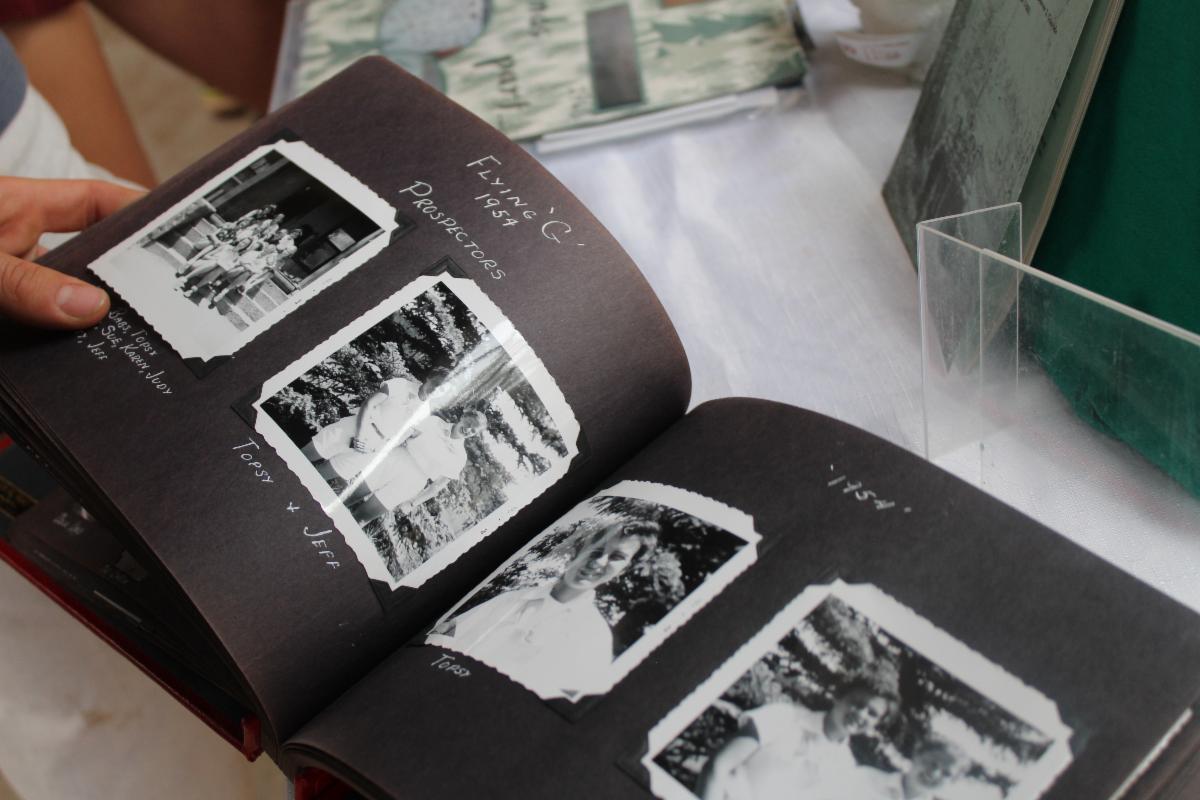 I teared up hearing these words, realizing that our work today, while different in some respects from those counselors decades ago, is also timeless and impactful; it could have been written about the counselor experience of 2026. I saw in the eyes of those women the love that they continue to have for each other, and this ranch, a place that many also called home during those formidable years. When I had an opportunity to speak with the group, I relayed the love and respect that we have for our home and our understanding that we are taking care of the place that so many of them will love forever.
After the program one woman approached me to tell me that this camp was her refuge as a girl. She came from an abusive home, and she knew that at camp she would be safe. She then told me that her daughter had died suddenly two months ago. She asked whether she could go to The Meadows (what we call Ramah Valley) to sprinkle her daughter’s ashes amidst the grass and wildflowers. “I need my daughter to be looking out over those mountains. It is there that she and I can be at peace.” Of course, I said yes, knowing that this woman, like so many other former campers and staff, will hold this place in their heart as their home away from home, even if they no longer physically return to the ranch each summer.
Masa
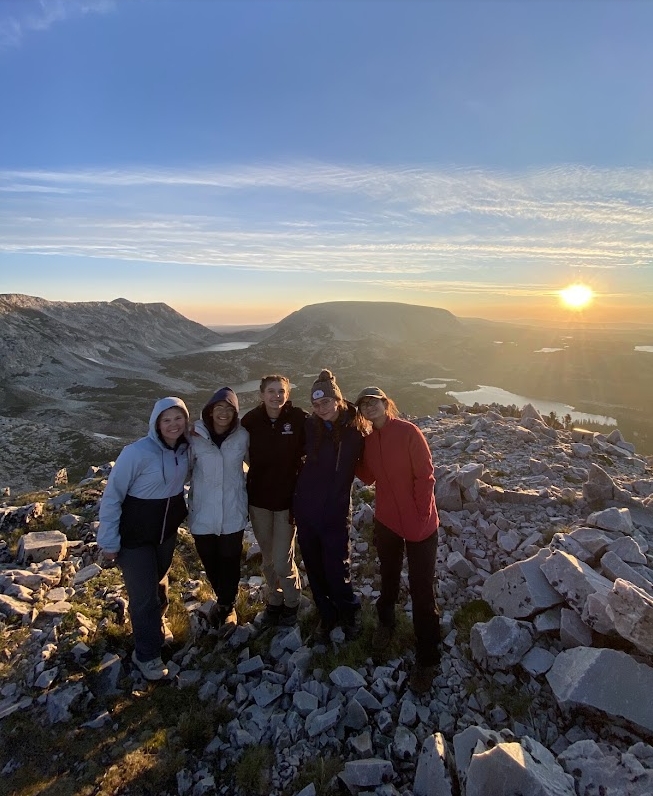
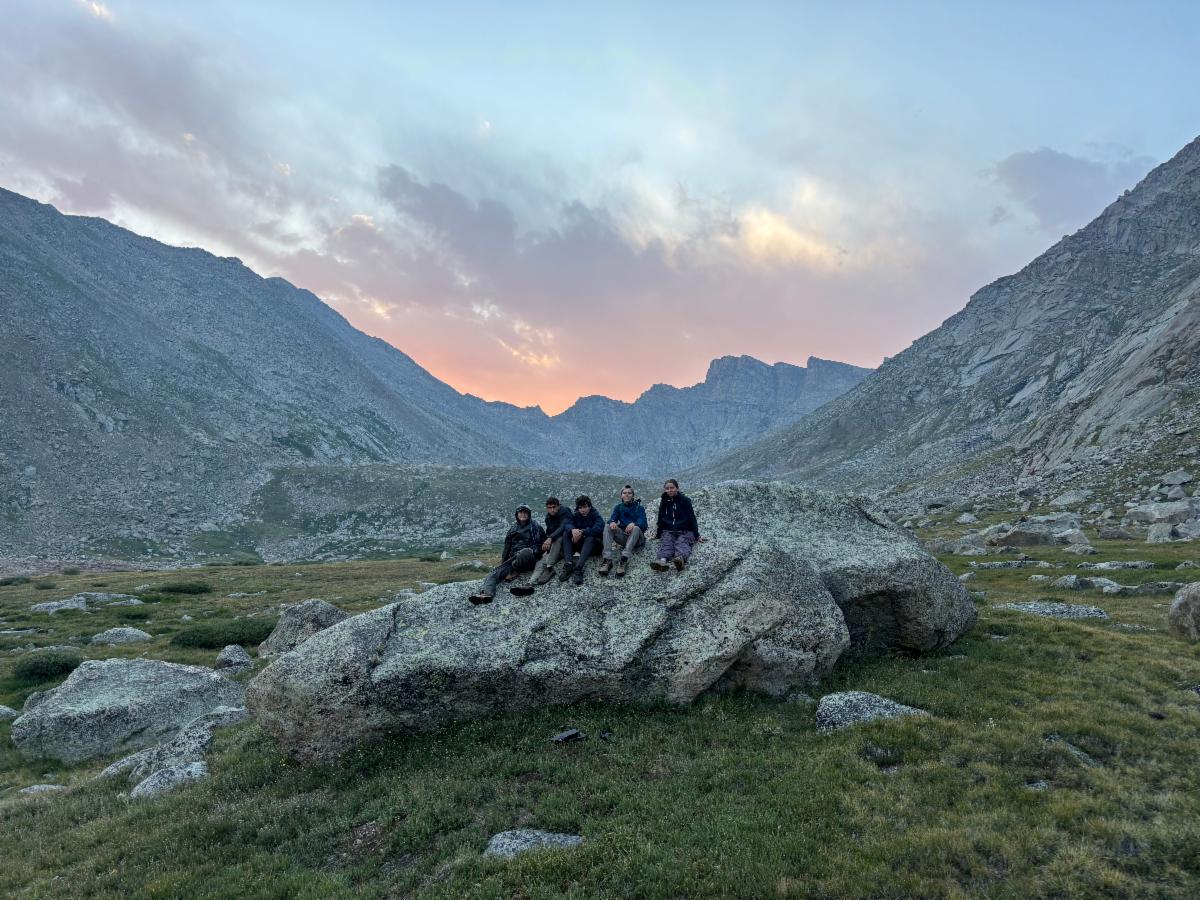
At the heart of camp is the masa (backcountry excursion) program. Our packout building is located at the center of camp, and our schedule revolves around the cycles of masa: advanced prep, pack-out, adventure, pack-in. This summer we sent out 84 masa’ot. We ran many of our tried and true favorites – hiking out of camp to the Goose Creek Trail, biking the singletrack trails at Buffalo Creek, and rock climbing at Eleven Mile Canyon. We ran two week-long fishing masa’ot, and more campers than ever summited 14,000 foot mountains both on foot and on pedals. Despite the dried up streams across Colorado, the smokey air conditions, and the shortened 2A masa week (due to Tisha B’Av falling on a Thursday), we were able to adapt our program to the changing landscape and annoying calendar.
One of the more successful changes to the masa program was the introduction of our first homemade protein bar. As I am not a food writer, I will just say that it was one of the biggest positive changes to our menu in years, and you will need to ask a chalutz or tzevet member for more details. Seeing the smiles and dirt on the faces of our chalutzim and tzevet as they return from masa never grows old. I love watching chalutzim jump out of the 12-passenger vans to embrace their friends and listening as they recount at a blazing pace and in high pitched squeals all that took place over the previous days. I hear about the steep trails, the incredible vistas, and the joy at finding a cold stream in which to cool off. I also hear about the burned food, the tent that got drenched, and the cold mornings. Most importantly, I hear about the friendships made while on the trip, the conversations had while making dinner and watching the sunset, and the moments of spiritual growth during morning t’filot (prayers) with a mountain view. The inside jokes and unforgettable memories that campers return with are experiences that are carried forever.
Conclusion
There is something bittersweet about the end of the summer. On the one hand I feel a tremendous sense of gratitude that we have completed another
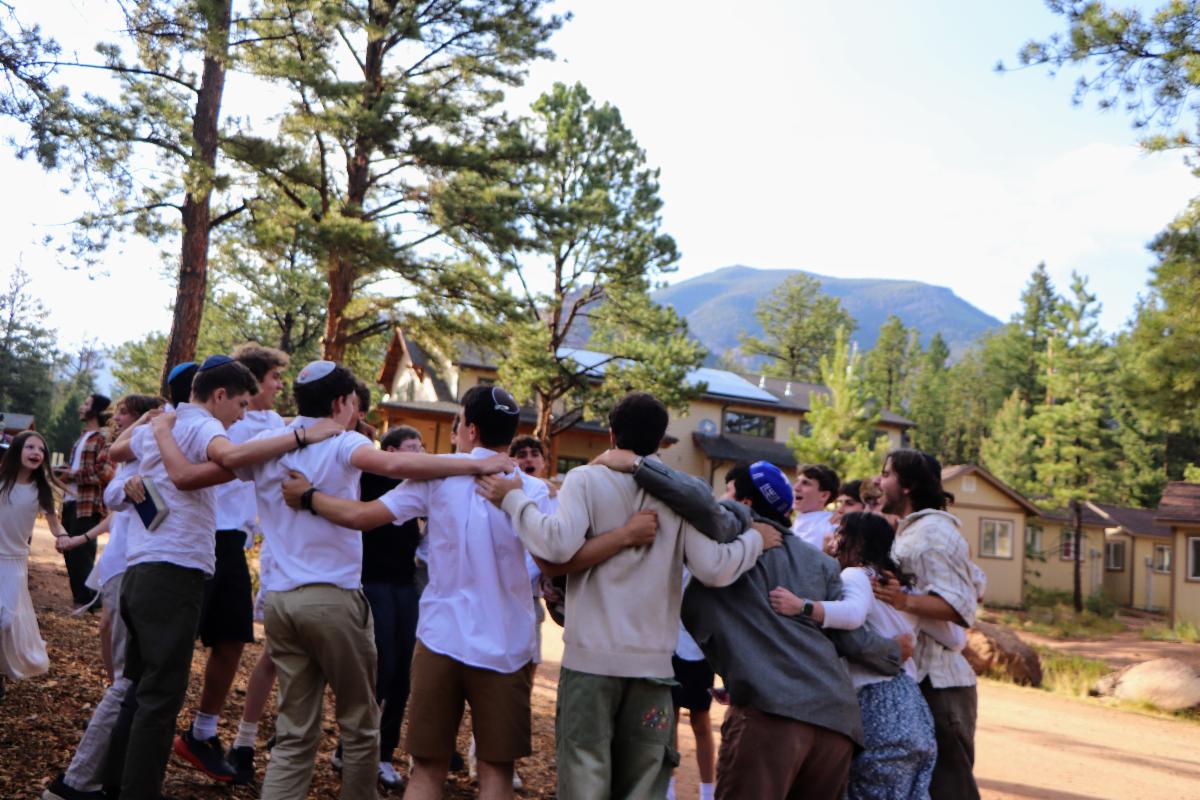
successful season: I think about the first few cold nights of staff training, the animals we saw on our ranch this summer, the games of spike ball and ping pong that took place each day in the ohel area. I think about the hundreds of songs we sang in the chadar ochel (dining hall) and the countless relationships made this summer. On the other hand, I think about the missed opportunities, how the members of this kehillah kedosha must now go our separate ways, and the fact that it will be over nine months until we reopen our summer community for kayitz (summer) 2027.
Camp is a time of growth for all who come through our gates. Sometimes this growth is evident while here, and at other times, it is only seen in a child who returns home with more confidence and better coping skills, or in a college student who is a better leader on their campus and prays with a deeper sense of spirituality. We love to hear stories and feedback about camp. If you sent your child to camp, please take a few minutes and send us a note, fill out this third party survey, and respond to our emails/call when we are in touch in September.
If you’re already thinking of next summer, registration for kayitz 2027 is now open! Sign up by October 31 to receive a Ramah in the Rockies jacket, and by December 15 to lock in the 2026 tuition rate. After that, we may raise tuition if inflation continues to raise the costs of running camp.
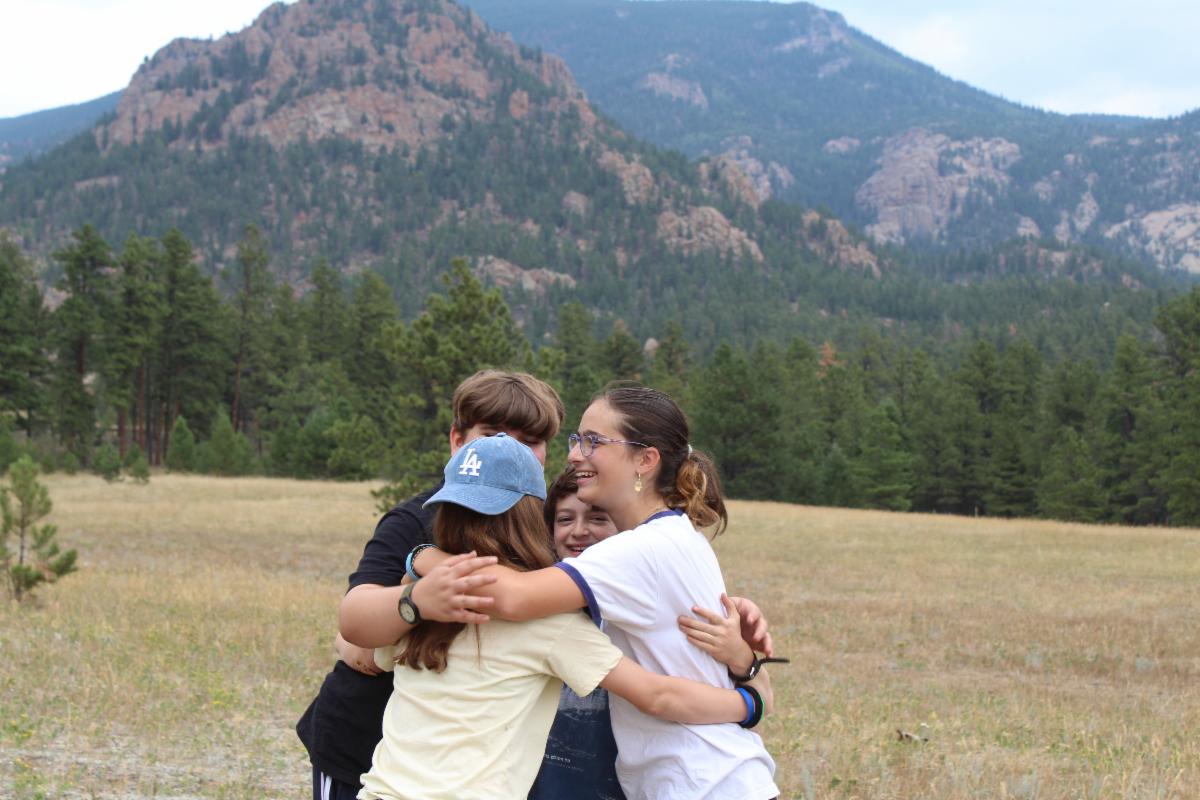 To each and every one who continues to believe in our mission by supporting camp, sending children to camp, working at camp, volunteering for camp, and spreading the good word about camp, THANK YOU! It is because of thousands of people like you that we are able to nurture, sustain, and grow our community each summer.
For a taste of Session II, check out our slideshow here! All photos from the summer are available at photos.ramahoutdoors.org.
With appreciation,
Rabbi Eliav Bock
Executive Director
P.S. All of us on the year round team will be taking some time off until Labor Day. When we return in September we look forward to reflecting more on this past summer and will be eager to begin our 10 month journey towards Kayitz 2027. In the meantime, if you’re ready for 2027, registration is open!
P.P.S. For parents following our issues with the bears on property: early Monday morning, one bear walked into a trap set by Colorado Parks and Wildlife. They removed the animal later that morning; we do not believe that any campers saw or heard him in the trap. We hope that there will be more food out in the wilderness for the bears to eat next season so that they stay far away from the ranch and instead munch on the wild berries usually found throughout Pike National Forest.
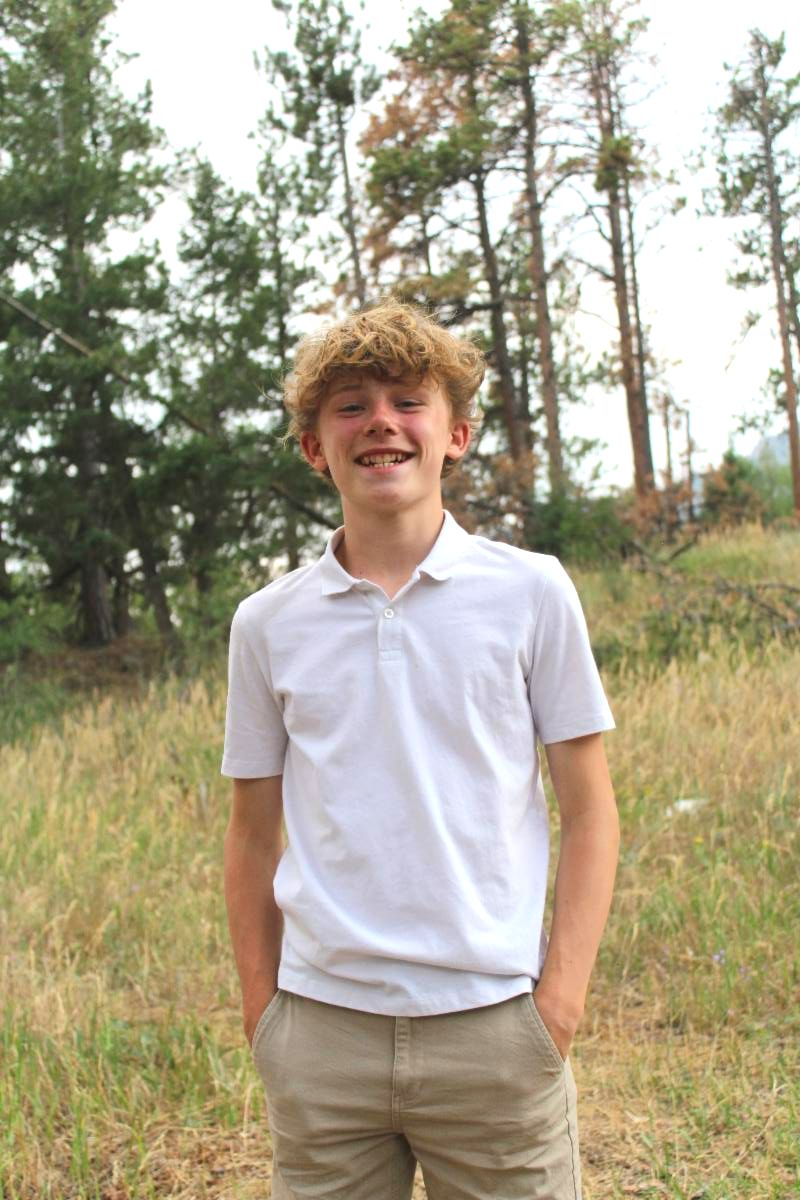
And a final note…we were honored to celebrate the wonderful milestone of camper Ori Kolar’s bar mitzvah this session! Mazel tov to Ori and his family!